Tight global supply due to West Asia tensions may push India to reduce LPG quantity per cylinder to ensure wider distribution.
New Delhi: India may soon implement an LPG cylinder weight reduction strategy as supply pressures intensify due to ongoing tensions in West Asia. Officials are considering reducing the standard domestic cylinder from 14.2 kg to 10 kg to ensure broader access during the crisis.
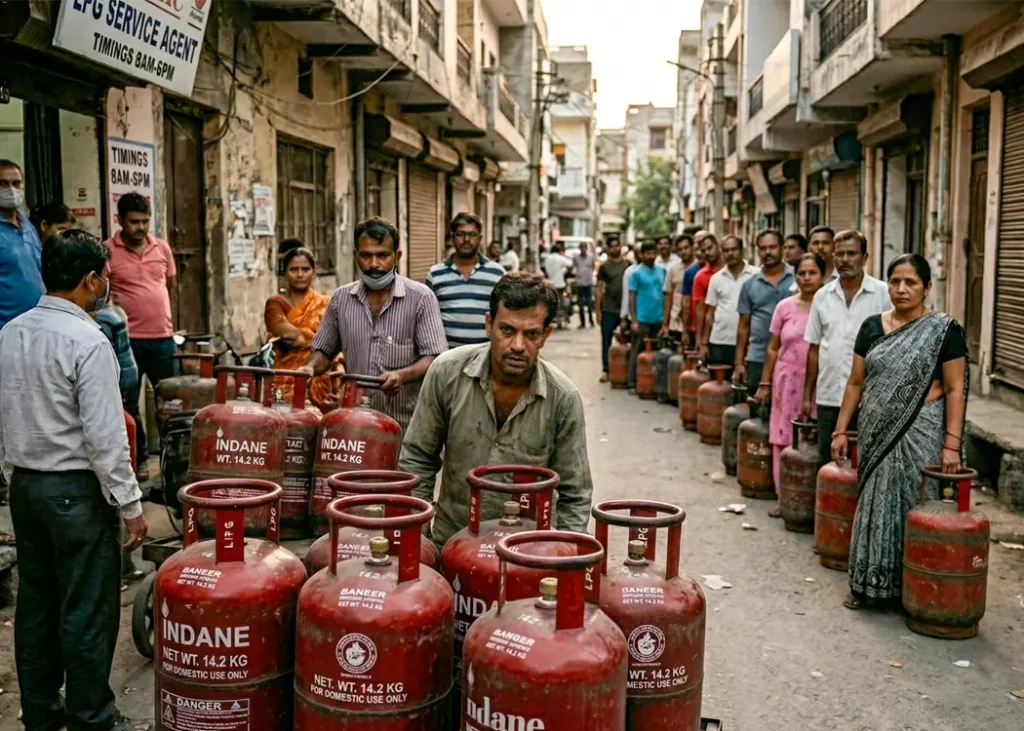
The disruption stems from escalating conflict involving Donald Trump and Iran. The situation has threatened key energy routes, especially the Strait of Hormuz, which handles a large share of global oil and gas shipments. As a result, India’s LPG imports have slowed significantly.
According to industry officials, oil marketing companies are witnessing rapidly declining stock levels. Therefore, reducing cylinder weight could help distribute limited supplies more evenly. “A smaller cylinder can still last around a month for small families,” an official said, highlighting the practical reasoning behind the move.
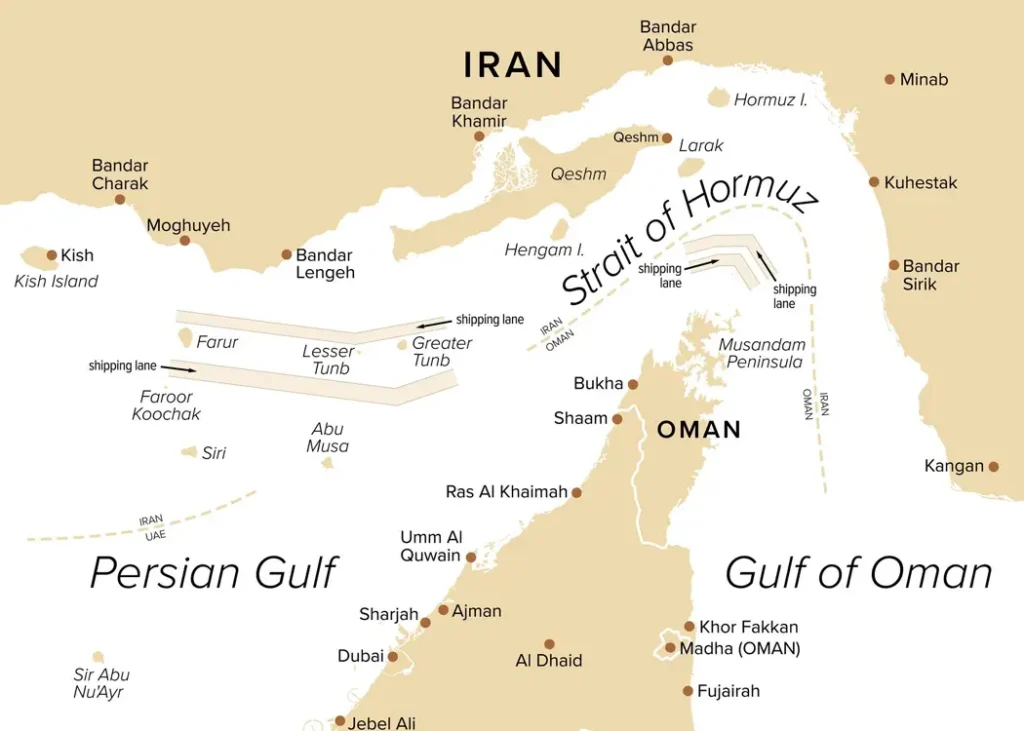
Meanwhile, India consumes about 93,500 tonnes of LPG daily, with nearly 80,400 tonnes supplied to households. However, supply constraints have forced authorities to rethink allocation strategies. In addition, six Indian LPG tankers remain stranded near the Persian Gulf, awaiting clearance to pass through restricted routes.
If implemented, the new cylinders will carry special labels indicating reduced gas content. Prices will also be adjusted accordingly. However, companies anticipate logistical challenges. Bottling plants will need system upgrades, and regulatory approvals will be required before rollout.
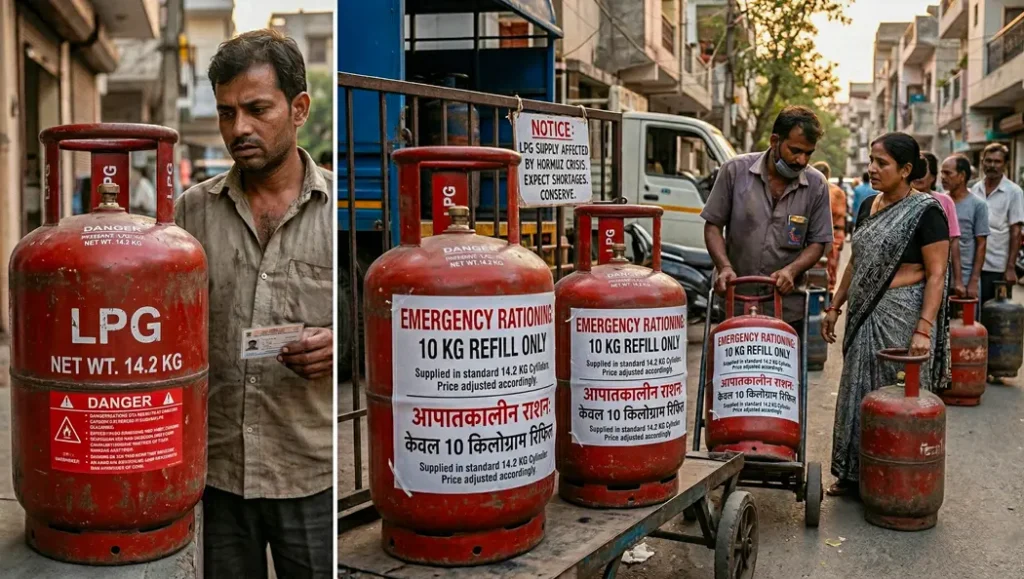
Public response remains a concern. Sudden changes in cylinder weight may confuse consumers and trigger resistance, especially in politically sensitive regions. Nevertheless, officials warn that the situation could worsen next month, leaving limited alternatives.
India imports around 60% of its LPG needs, with nearly 90% previously sourced from Gulf nations. Consequently, prolonged instability in the region could deepen the crisis.
Although the government has resumed partial supply to commercial users, pressure on domestic availability continues. The coming weeks will be critical in determining whether the LPG cylinder weight reduction becomes a nationwide policy.