
🌤️ Loading...

March 23, 2026

Computer Lab Sector-39D School
Chandigarh

Sector-39D School Gets Modern Computer Lab, Boost to Digital Education

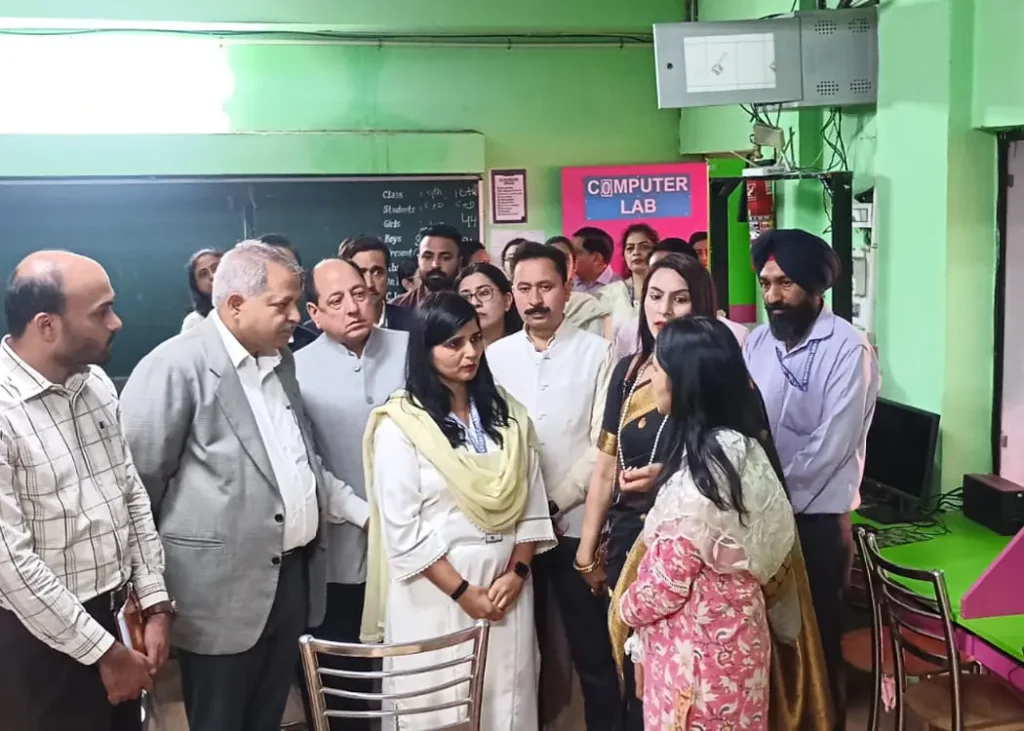
New lab with 15 computers inaugurated in Chandigarh, aiming to strengthen digital learning and student skills. Chandigarh: A major step towards digital education was taken with the inauguration of a modern computer lab at the Senior Secondary School in Sector-39D. The initiative aims to equip students with essential digital skills and improve access to technology. The lab includes 15 computers, which were provided by SML Isuzu. As a result, students will now gain hands-on experience with modern tools. This move is expected to strengthen their academic and practical knowledge. The facility was inaugurated by Education Secretary Prerna Puri along with BJP Chandigarh State President Jitender Pal Malhotra and DPI Schools Nitish Singla. Meanwhile, several dignitaries, including ASSOCHAM Chandigarh Chairman Rakesh Bhalla, attended the event. Speaking on the occasion, Jitender Pal Malhotra said, “When I learned that the school lacked a computer lab, I took immediate steps to address the issue.” He added, “This is not just a lab, but a strong foundation for students’ bright future.” Moreover, he highlighted that digital education plays a key role in today’s world. It improves logical thinking, creativity, and innovation. Therefore, students can prepare better for future challenges and career opportunities. In addition, Malhotra stressed that computer education helps students become self-reliant. It also opens doors to better employment prospects. He assured that efforts to improve educational infrastructure will continue in the future. The initiative has received positive feedback from students, parents, and teachers. They expressed happiness and appreciation for the improved facilities. Overall, the new computer lab marks a significant milestone for the school. It reflects a growing focus on digital learning in Chandigarh’s education system.
10 Kg LPG Cylinder
Nation Update

10 Kg LPG Cylinder Rumours Denied, Govt Reassures Consumers Amid West Asia Crisis

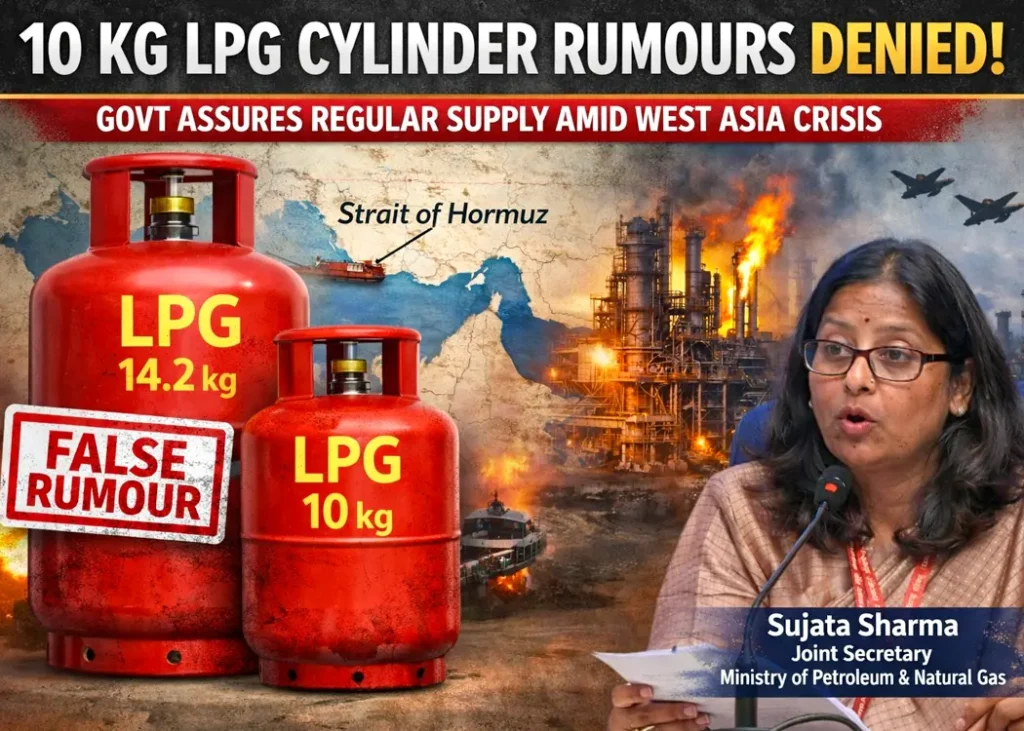
Government dismisses speculation of reduced LPG refills and assures uninterrupted supply despite global tensions impacting imports. New Delhi: The government has firmly denied reports suggesting a reduction in domestic LPG cylinder refills to 10 kg. Officials called such claims inaccurate and highly speculative. At the same time, authorities reassured consumers that regular 14.2 kg cylinders will continue without disruption. Meanwhile, the clarification comes amid rising concerns over supply pressure due to tensions in West Asia. The ongoing conflict involving Donald Trump and Iran has affected global energy routes. In particular, the Strait of Hormuz remains a critical chokepoint for oil and gas shipments. On Monday, Sujata Sharma, Joint Secretary in the Ministry of Petroleum and Natural Gas, dismissed the possibility of supplying 10 kg LPG in standard cylinders. She emphasized that oil marketing companies have not proposed such a move. Therefore, consumers should not worry about any sudden change in cylinder quantity. However, industry sources had earlier indicated that a temporary reduction could help manage limited stock. “A 10-kg refill could sustain a home for nearly a month,” an executive said. This approach, they noted, would allow wider distribution during a supply crunch. In addition, India depends heavily on imports to meet its LPG demand. Around 60% of LPG comes from overseas markets. A significant share arrives from Gulf countries such as Saudi Arabia, Iraq, and the UAE. These shipments pass through narrow sea routes, making them vulnerable to disruptions. Furthermore, the country spent nearly $12.4 billion on natural gas imports between April 2025 and February 2026. This highlights the scale of India’s dependence on global energy supplies. Nevertheless, the government maintains that current supplies remain stable. Officials continue to monitor the situation closely. If conditions worsen, authorities may explore alternative strategies. For now, consumers can expect regular LPG cylinder availability without any reduction in quantity.

LPG supply crisis
Nation Update

India Considers 10 kg LPG Cylinders Amid Supply Crisis

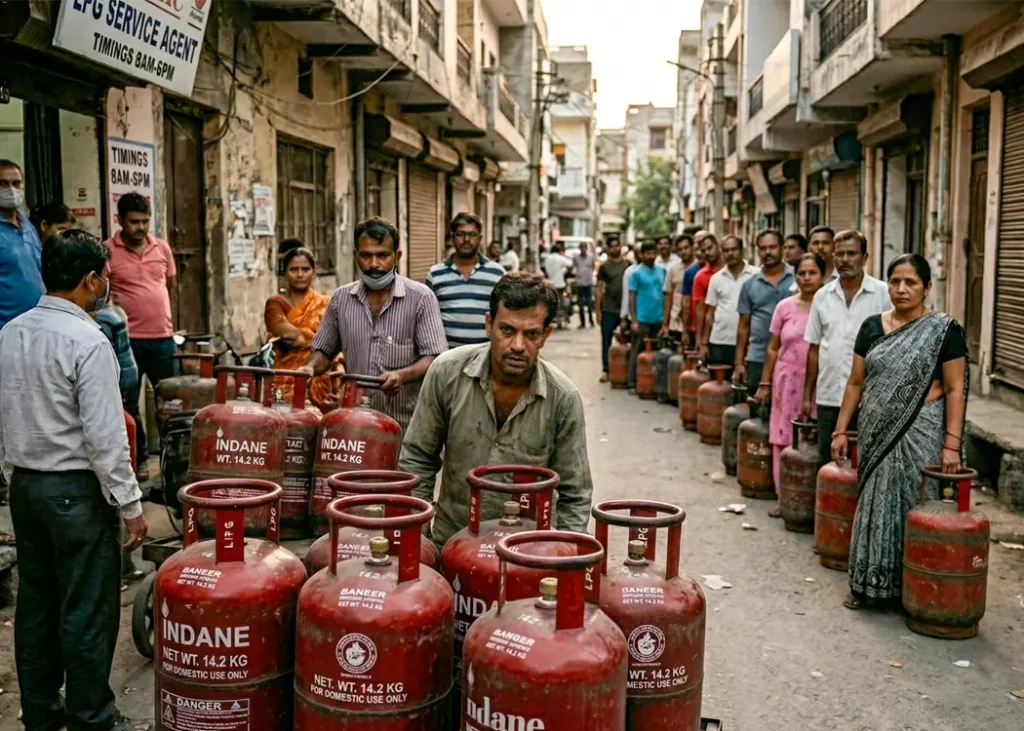
Tight global supply due to West Asia tensions may push India to reduce LPG quantity per cylinder to ensure wider distribution. New Delhi: India may soon implement an LPG cylinder weight reduction strategy as supply pressures intensify due to ongoing tensions in West Asia. Officials are considering reducing the standard domestic cylinder from 14.2 kg to 10 kg to ensure broader access during the crisis. The disruption stems from escalating conflict involving Donald Trump and Iran. The situation has threatened key energy routes, especially the Strait of Hormuz, which handles a large share of global oil and gas shipments. As a result, India’s LPG imports have slowed significantly. According to industry officials, oil marketing companies are witnessing rapidly declining stock levels. Therefore, reducing cylinder weight could help distribute limited supplies more evenly. “A smaller cylinder can still last around a month for small families,” an official said, highlighting the practical reasoning behind the move. Meanwhile, India consumes about 93,500 tonnes of LPG daily, with nearly 80,400 tonnes supplied to households. However, supply constraints have forced authorities to rethink allocation strategies. In addition, six Indian LPG tankers remain stranded near the Persian Gulf, awaiting clearance to pass through restricted routes. If implemented, the new cylinders will carry special labels indicating reduced gas content. Prices will also be adjusted accordingly. However, companies anticipate logistical challenges. Bottling plants will need system upgrades, and regulatory approvals will be required before rollout. Public response remains a concern. Sudden changes in cylinder weight may confuse consumers and trigger resistance, especially in politically sensitive regions. Nevertheless, officials warn that the situation could worsen next month, leaving limited alternatives. India imports around 60% of its LPG needs, with nearly 90% previously sourced from Gulf nations. Consequently, prolonged instability in the region could deepen the crisis. Although the government has resumed partial supply to commercial users, pressure on domestic availability continues. The coming weeks will be critical in determining whether the LPG cylinder weight reduction becomes a nationwide policy.