
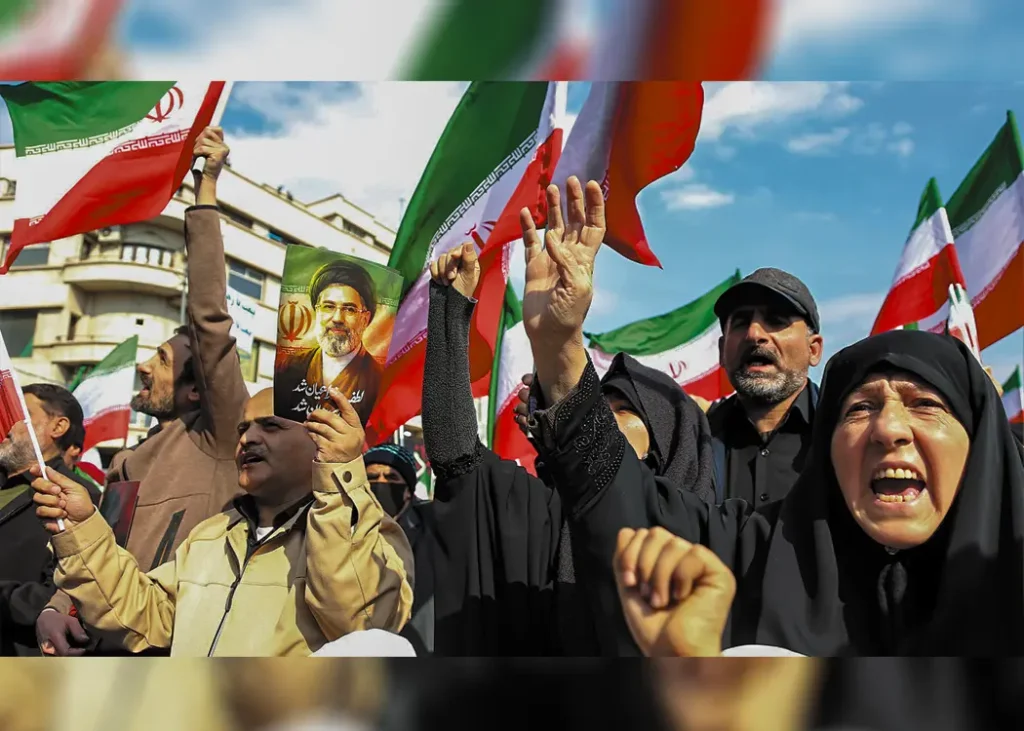
Iran-US Ceasefire: Tehran Yields to Chinese Pressure; Is a Major War Averted?
China utilized its economic leverage to persuade Iran to accept a two-week ceasefire. According to a report by The New York Times, Beijing took this step due to fears of energy supply disruptions and a global recession. Iran has finally accepted a two-week ceasefire proposal with the United States. According to a report by The New York Times, China’s firm stance and significant pressure played a decisive role in this historic move. Although Pakistan served as the primary mediator for the deal, Beijing provided the last-minute push that forced Tehran to show flexibility. Iranian officials revealed that China leveraged its influence to de-escalate the situation. For years, China has served as a vital lifeline for Iran. It purchases almost all of Iran’s oil exports and shields the nation from international isolation. Consequently, Tehran found it impossible to ignore Beijing’s counsel during this crisis. China’s Economic Interests and Global Impact This intervention was not merely an act of diplomacy; it was driven by China’s substantial economic interests. Beijing wants to avoid a protracted war at all costs. Such a conflict could disrupt critical energy supplies and trigger a global recession, which would severely impact the Chinese economy. Therefore, the deal specifically includes the immediate reopening of the Strait of Hormuz, the world’s most important oil transit point. Mao Ning, a spokeswoman for the Chinese Foreign Ministry, did not comment directly on Beijing’s behind-the-scenes role. She stated simply, “We have always been advocating for peace talks and the ceasefire.” However, experts believe that China privately issued a stern warning to Iran regarding the consequences of further escalation. Trump’s Deadline and the Final Decision The agreement was reached just 90 minutes before a strict deadline set by President Donald Trump. While Iran has publicly described the deal as its own victory, analysts suggest the decision was born out of necessity. Meanwhile, Chinese Foreign Minister Wang Yi held a flurry of calls with regional leaders to emphasize the need for restraint. Ultimately, both Iran and Pakistan remain heavily dependent on China economically. Pakistan relies on Chinese loans to stay afloat, while Iran must sell its oil to Beijing to sustain its economy. For now, this ceasefire has averted a major military confrontation in the Middle East, though the long-term stability of the region remains to be seen.