IndUS Canada Foundation Hails OCI Digitisation, Renews Dual Citizenship Demand
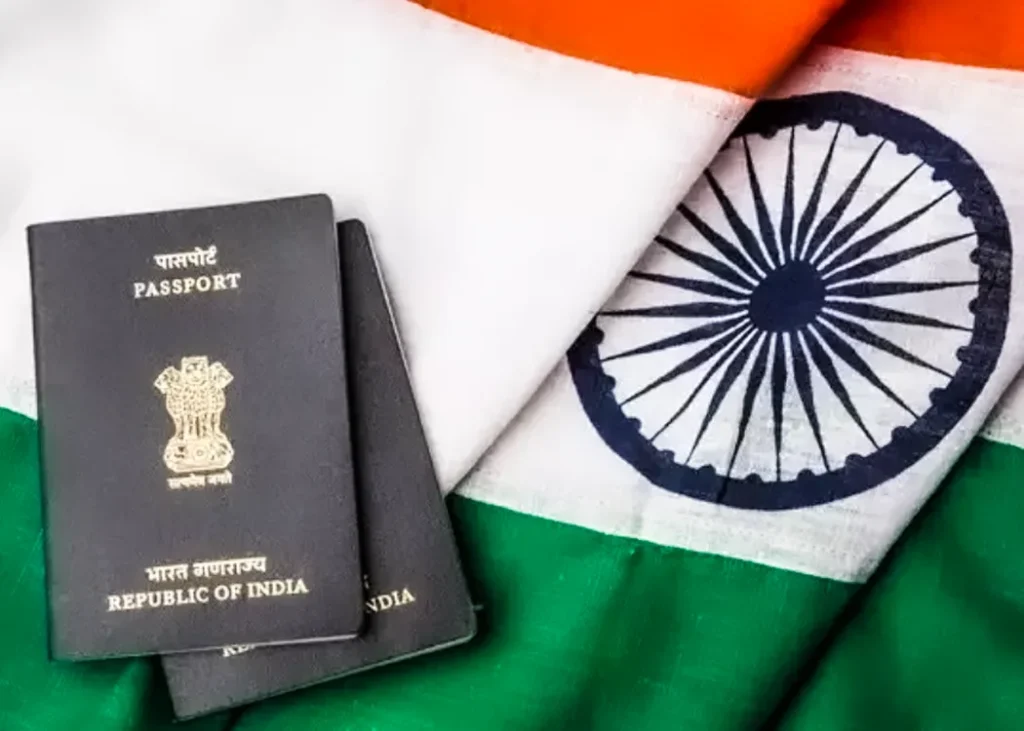
The Foundation welcomes the move to electronic OCI cards and digital registration. Meanwhile, leaders urge the Indian government to fulfill long-standing promises of dual nationality for the diaspora. CHANDIGARH — The IndUS Canada Foundation has officially welcomed the Government of India’s latest notification regarding the Citizenship (Amendment) Rules, 2026. This new policy introduces the complete digitisation of the Overseas Citizen of India (OCI) framework. Government officials designed the shift to improve efficiency and transparency. Now, the registration, renewal, and cancellation processes will function fully online. Consequently, this change will offer millions of overseas Indians easier access to essential services. A Progressive Step for the Diaspora The Foundation believes that electronic OCI (e-OCI) cards will significantly benefit the global Indian community. Specifically, those living in the United States, the United Kingdom, Canada, and Australia will see immediate improvements. Streamlined application procedures and enhanced record-keeping will reduce the bureaucratic hurdles that previously frustrated many applicants. “The electronic OCI framework is a progressive step for the global Indian diaspora,” stated Vikram Bajwa, President of the IndUS Canada Foundation. He noted that the transition to digital systems reflects a modern approach to governance. The Push for Dual Citizenship However, while Bajwa appreciated these reforms, he also highlighted a deeper need. He reiterated his long-standing demand for full dual citizenship rights for the estimated 13 million Non-Resident Indians (NRIs). These individuals currently hold citizenship in Western nations but maintain deep ties to India. Furthermore, Bajwa reminded the government that dual citizenship was a key expectation for decades. He noted that former Prime Ministers Rajiv Gandhi and Atal Bihari Vajpayee had previously discussed this possibility during international engagements. Therefore, the diaspora views this move as a fulfillment of a historical promise. Strategic and Economic Benefits Additionally, the Foundation emphasized the geopolitical advantages of such a policy. Enabling dual citizenship could further strengthen India’s strategic ties with Western powers. Deeper diaspora integration could play a constructive role in shaping foreign policy outcomes and enhancing India’s global influence. In addition, the Foundation urged Union Home Minister Amit Shah to introduce a Bill in Parliament. This would initiate a structured debate on the matter. Bajwa suggested a calibrated approach that focuses on select countries to manage security concerns effectively. Ultimately, enabling dual citizenship could unlock massive opportunities. It would likely spark new investments in education and economic growth in states like Punjab, Gujarat, and Tamil Nadu. Meanwhile, the diaspora waits to see if the government will take this final step toward total integration.