
🌤️ Loading...

May 17, 2026

Nyunder-2026 Celebration
Chandigarh, Himachal Update

Himachali Culture Comes Alive at Nyunder-2026 Celebration

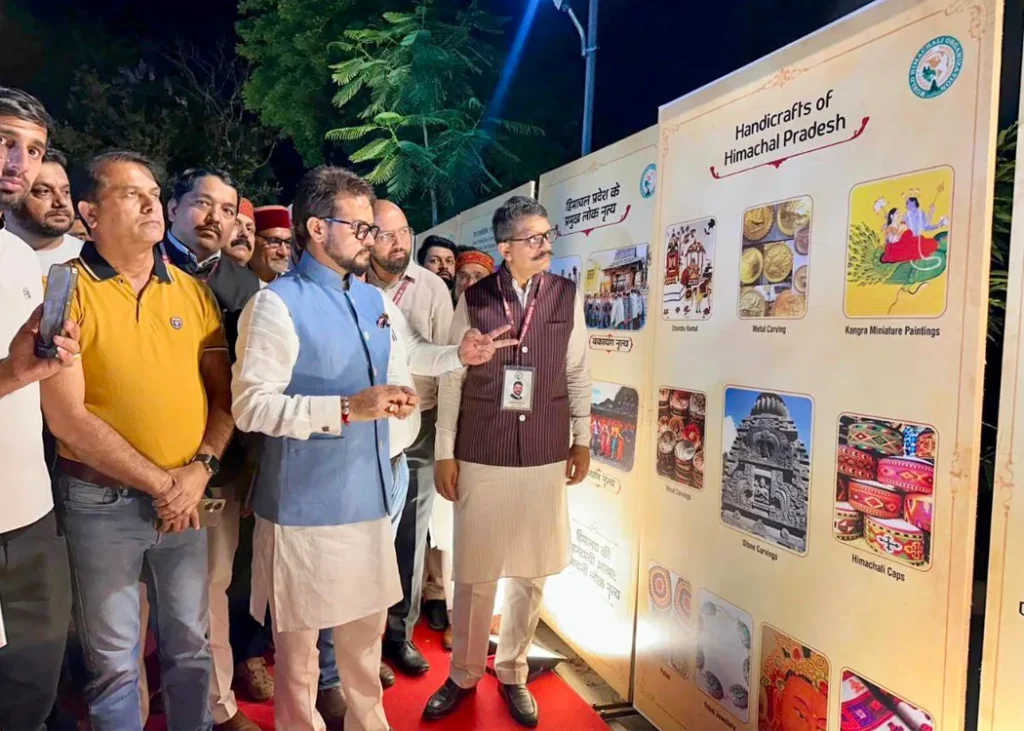
The World Himachali Organization successfully hosted its first annual festival in Chandigarh. Consequently, the grand event united the diaspora while beautifully preserving traditional heritage. CHANDIGARH — The World Himachali Organization successfully organized its first annual festival, the Nyunder-2026 Celebration, with immense collective enthusiasm. This grand cultural evening took place at MCM DAV College, located in Sector 36, Chandigarh. Meanwhile, a large number of passionate members from the Himachali community across the Tricity region attended the gala. Consequently, the entire venue transformed into a lively exhibition of Himalayan heritage and unity. Member of Parliament Anurag Thakur attended the high-profile event as the Chief Guest. In addition, Rajya Sabha MP Sikander Kumar was present as the Guest of Honour. During his address, Thakur highly appreciated the timely initiative of the World Himachali Organization. “Such cultural festivals play an important role in preserving the rich heritage of Himachal Pradesh and inspiring the younger generation to stay connected with their roots,” Thakur stated. Furthermore, the festival brilliantly showcased the vibrant colors of Himachali culture through traditional performances and folk music. Renowned folk singer Karnail Rana completely enthralled the audience with his popular Himachali folk songs. Meanwhile, energetic live performances of the traditional Himachali Nati and Jhamakda dance forms added immense joy to the festive spirit. Visitors also happily enjoyed a specially arranged traditional Himachali feast, popularly known as Dham. In addition to the performances, an outstanding exhibition depicted the glorious history, folk traditions, and rich cultural heritage of Himachal Pradesh. President Asha Jaswal later highlighted the core objective of this festival. She stated that the event successfully connects the modern youth with their roots, traditions, and essential cultural values while strengthening brotherhood. Finally, President Amit Rana shared the organization’s long-term vision. He stated that the organisation will continue to organise such programmes in the future to promote Himachali identity and culture at national and international levels. Therefore, the successful event concluded with a strong promise of global cultural preservation.
Punjab Beadbi Laws
Chandigarh, Punjab

ICF Calls Global NRI Sikh Meeting Over Punjab Sacrilege Law

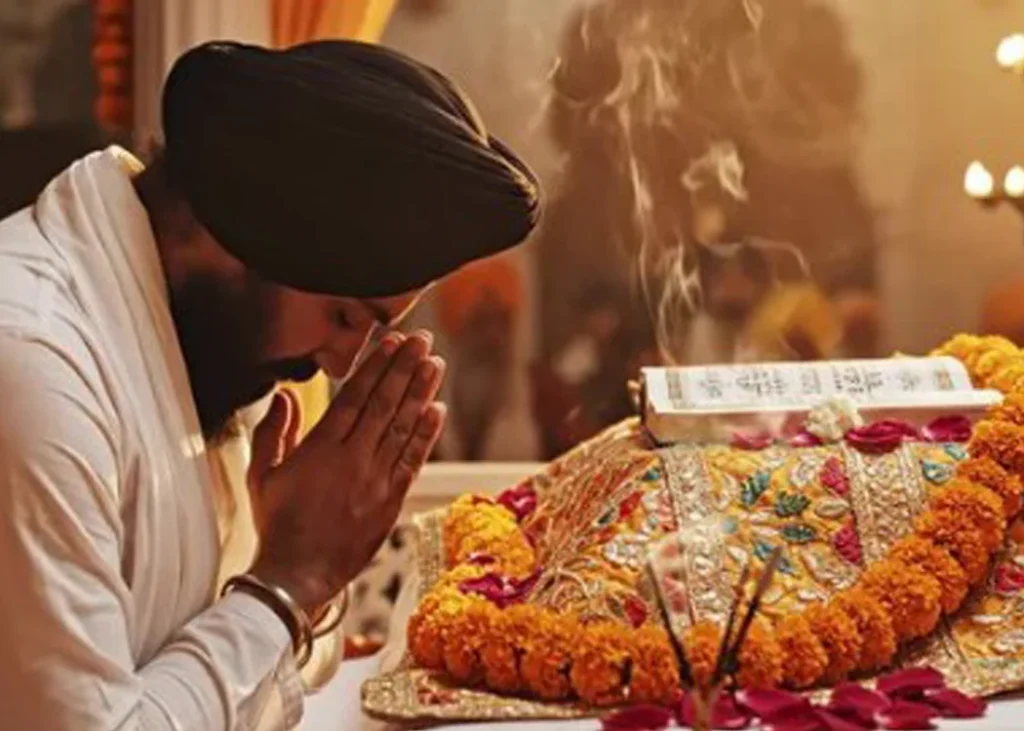
The Indus Canada Foundation plans an international conference to review the Jagat Jot Sri Guru Granth Sahib Satkar (Amendment) Bill-2026. Consequently, the organization is seeking Indian presidential intervention. CHANDIGARH — The Indus Canada Foundation (ICF) has voiced deep worries regarding the new Punjab sacrilege law. Recently, the Punjab government passed the Jagat Jot Sri Guru Granth Sahib Satkar (Amendment) Bill-2026. This controversial legislation introduces life imprisonment for the desecration of the holy scripture. The Foundation holds the Sri Guru Granth Sahib in the highest reverence. However, it believes the new penal framework creates severe international complications. Therefore, this law directly impacts nearly 11 million diaspora Sikhs residing outside India. To address these anxieties, ICF President Vikram Bajwa announced a global virtual meeting. Gurdwaras and Sikh organizations from Canada, the USA, the UK, and Australia will join the online conference. Meanwhile, the foundation is actively seeking immediate intervention from the President of India. According to Bajwa, the younger generation of NRI Sikhs feels highly perplexed by the harsh punishments. He pointed out that Western democracies handle religious texts with a different legal approach. For instance, over 70 percent of hotels in the US and Canada place Bibles in guest rooms. In these spaces, visitors freely follow their own personal lifestyles. Bajwa emphasized that democratic nations view scriptures as sources of spiritual guidance rather than tools of fear. “Religious scriptures in democratic nations are intended to inspire introspection, spirituality, and moral guidance among people, rather than serving as a source of fear and punishment,” Bajwa stated. Furthermore, the ICF questioned the broad legal scope of the amendment. The organization fears that diaspora Sikhs might face legal ambiguity for keeping the holy scripture in their private homes. Bajwa asserted that the Punjab government does not own or print these scriptures. In addition, the state has no authority to regulate global religious traditions. Currently, no other major democracy enforces such stringent criminal laws for religious texts. Therefore, the foundation believes that political motives drove this legislation instead of a true religious consensus. Consequently, comprehensive consultations with international legal experts are already underway. The foundation plans to review the outcomes of the upcoming global meeting. Finally, the ICF intends to challenge the controversial law before the Supreme Court of India.