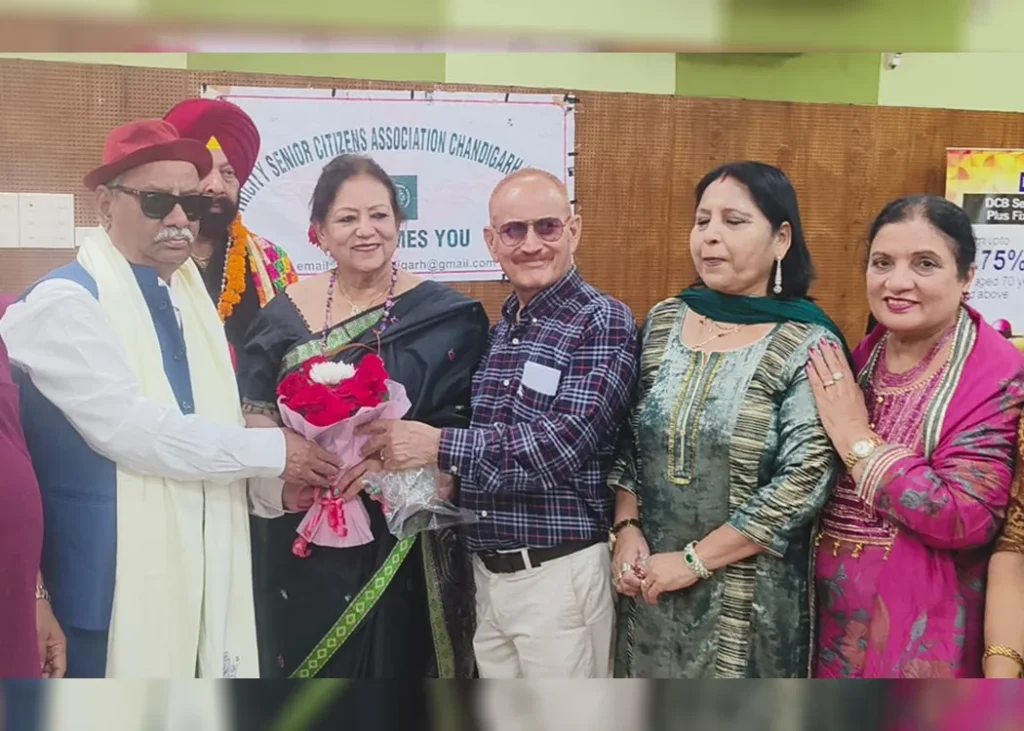
The noted academician launched his reflective memoir at the Chandigarh Press Club this week. His book offers a raw look at systemic challenges, institutional ethics, and the journey from rural Punjab to educational excellence.
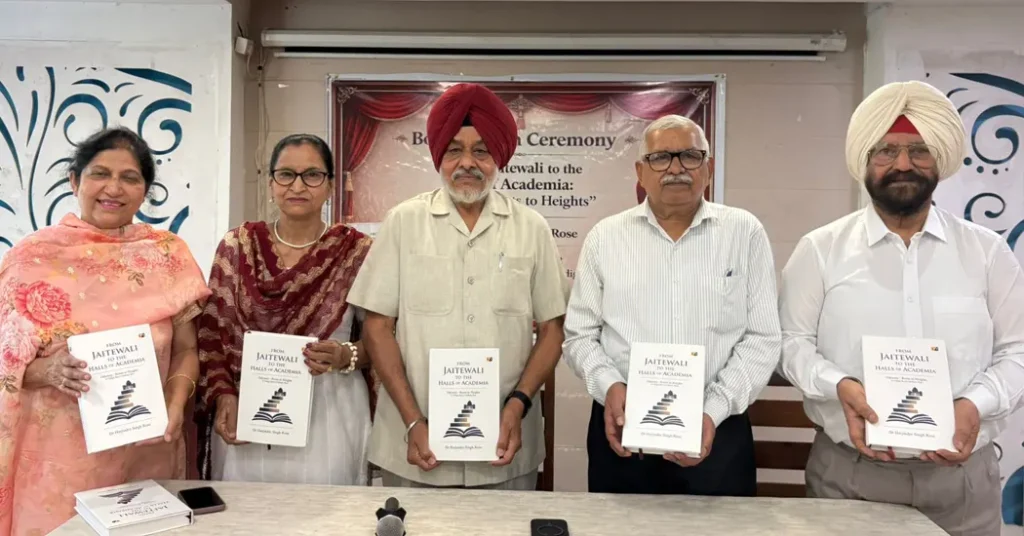
CHANDIGARH – Noted academician Dr. Harjinder Singh Rose officially launched his thought-provoking memoir at the Chandigarh Press Club on Tuesday. Titled “From Jaitewali to the Halls of Academia: Odyssey: Roots to Heights,” the book provides a deep dive into the Indian educational landscape. Consequently, the event drew significant attention from scholars, students, and local intellectuals.
The memoir transcends the typical success story. Instead, it serves as a reflective account of the “pain and pleasure” found in a lifelong educational journey. Dr. Rose traces his path from the modest surroundings of Jaitewali village in Punjab to the prestigious halls of research. Furthermore, he highlights how education remains a vital tool for transformation despite the erosion of traditional community structures.
Across 478 pages and 29 chapters, the book does not shy away from controversy. Dr. Rose specifically addresses uncomfortable truths such as declining research ethics and “academic inbreeding.” Meanwhile, he critiques systemic inefficiencies and bureaucratic overreach within major institutions. He uses his real-life experiences to illustrate how leadership styles often dictate the quality and direction of higher education.
Beyond critique, the narrative emphasizes the broader purpose of an academic life. Dr. Rose underscores the critical need for intellectual honesty and student mentorship. In addition, he shares meaningful lessons on perseverance and ethical conduct. These insights make the book highly relevant for anyone engaged in knowledge-driven professions, not just scholars.
The author also recounts his own formative struggles, including long commutes for schooling and professional setbacks. These personal battles shaped his philosophical outlook on life and work. Therefore, the composition emerges as a compelling blend of autobiography and institutional critique. It ultimately invites readers to reimagine the purpose and practice of education in contemporary India.